LUmkA is pleased to present a solo presentation of new work by Nelke Mast, a.k.a. Nelly Dansen.
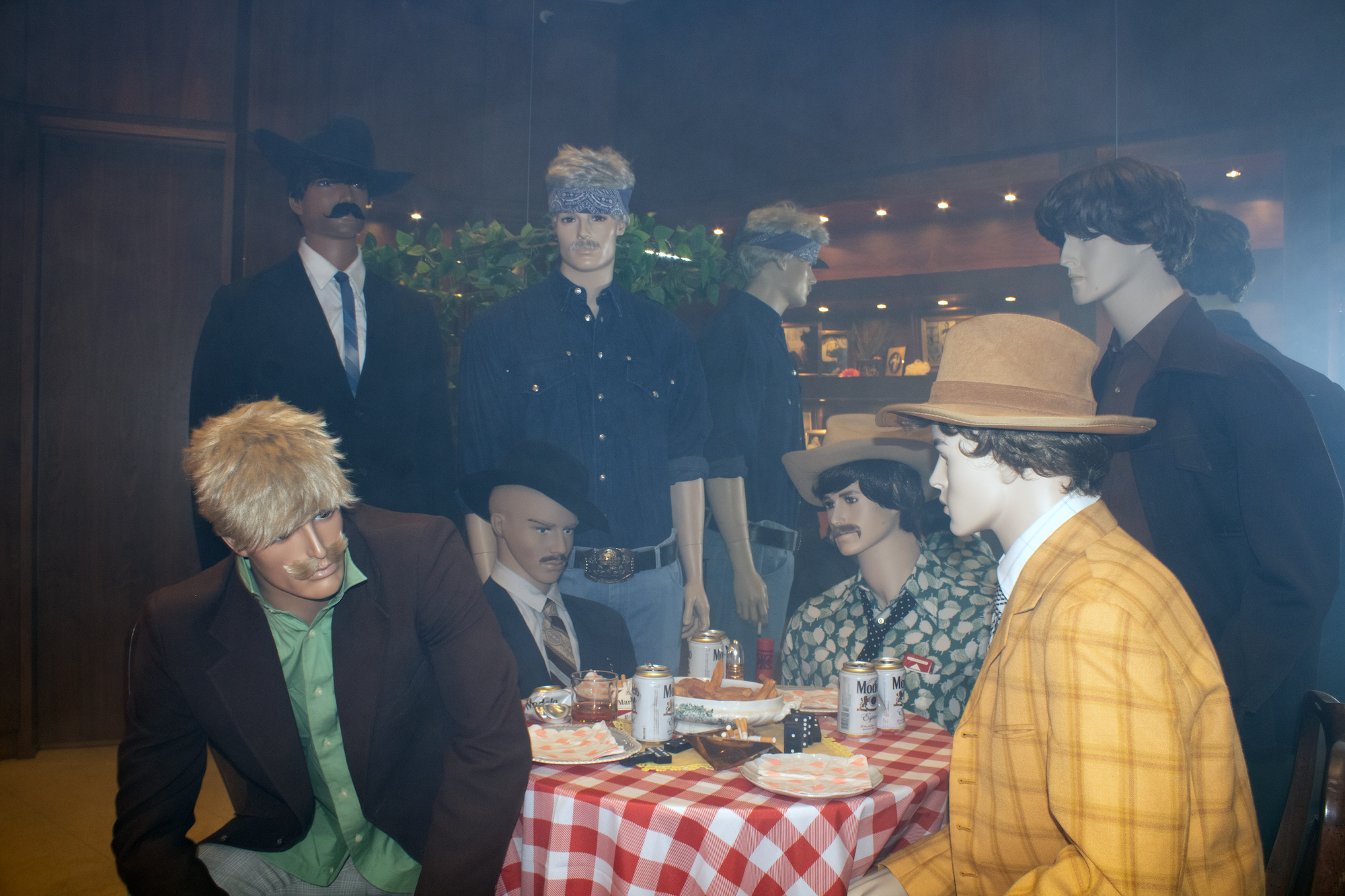
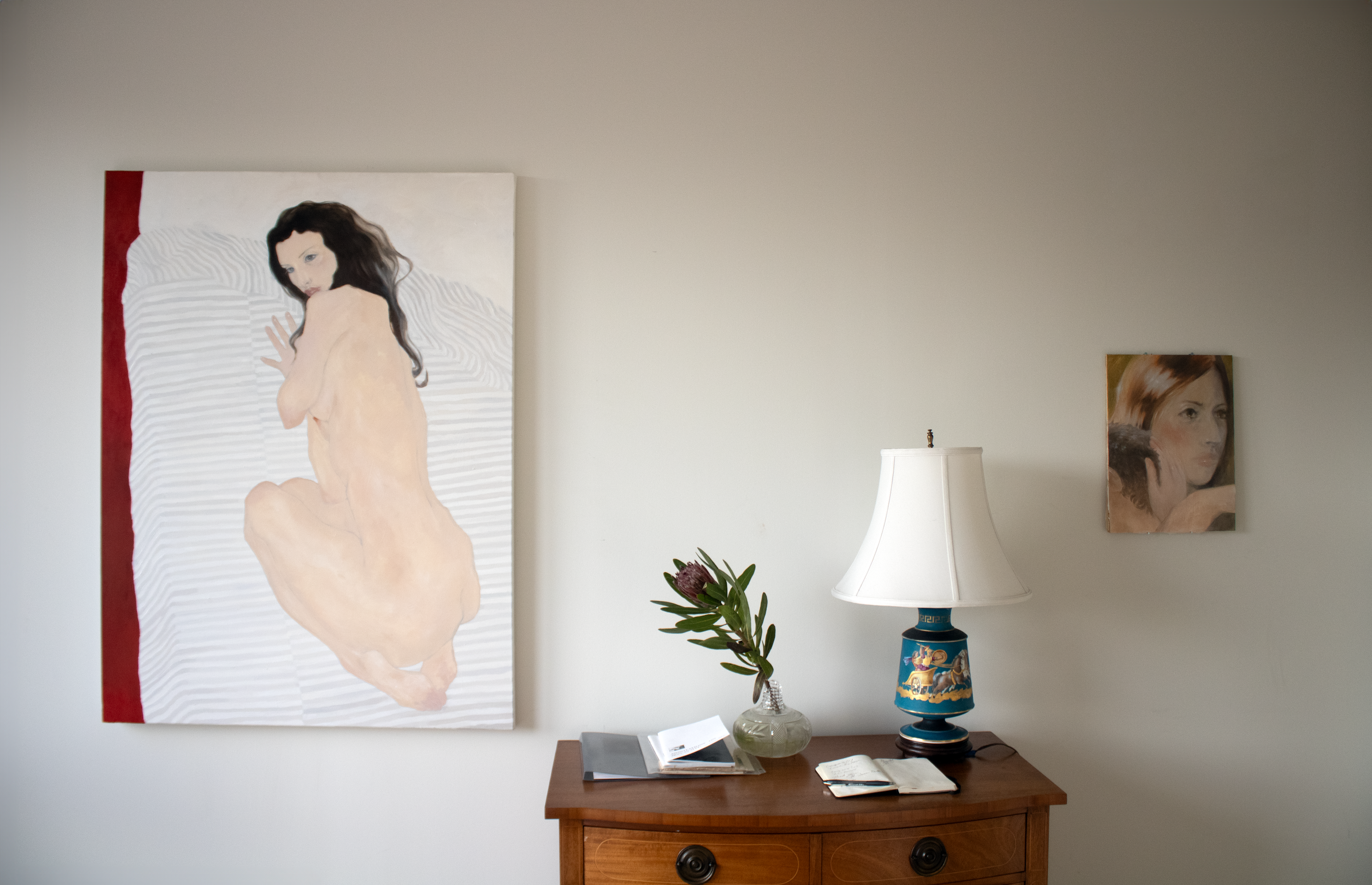
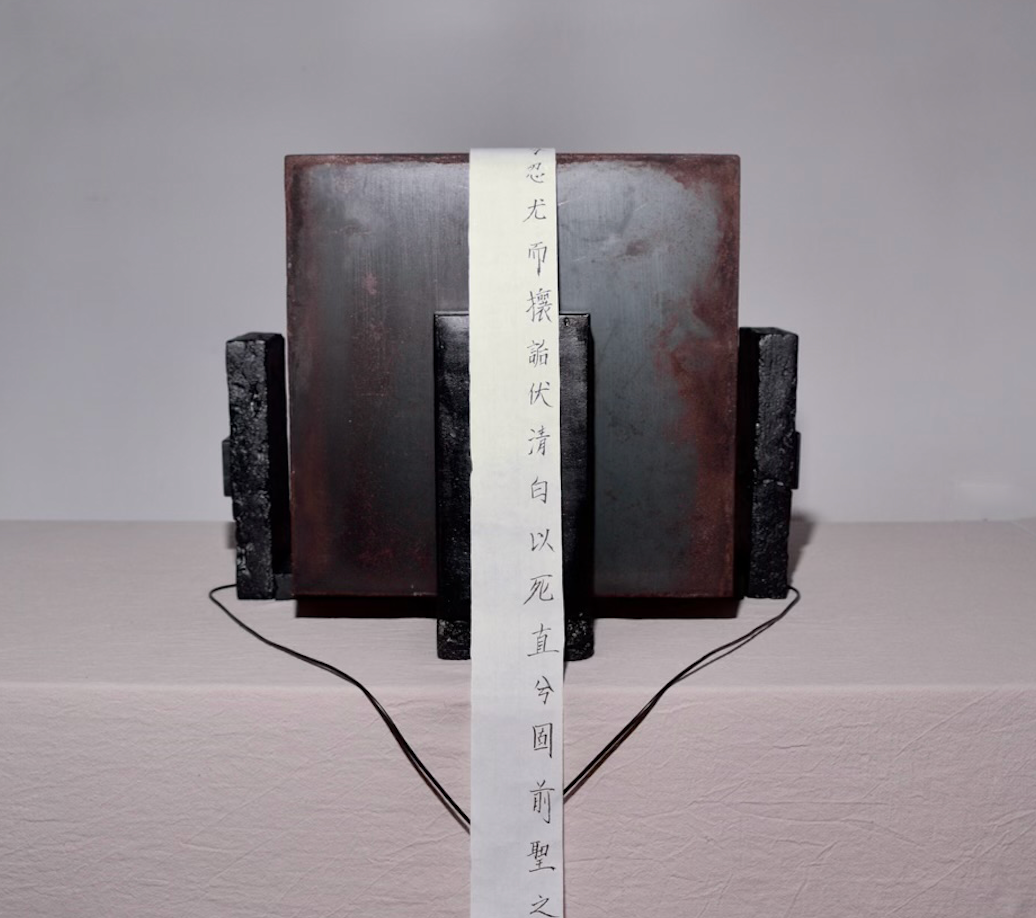
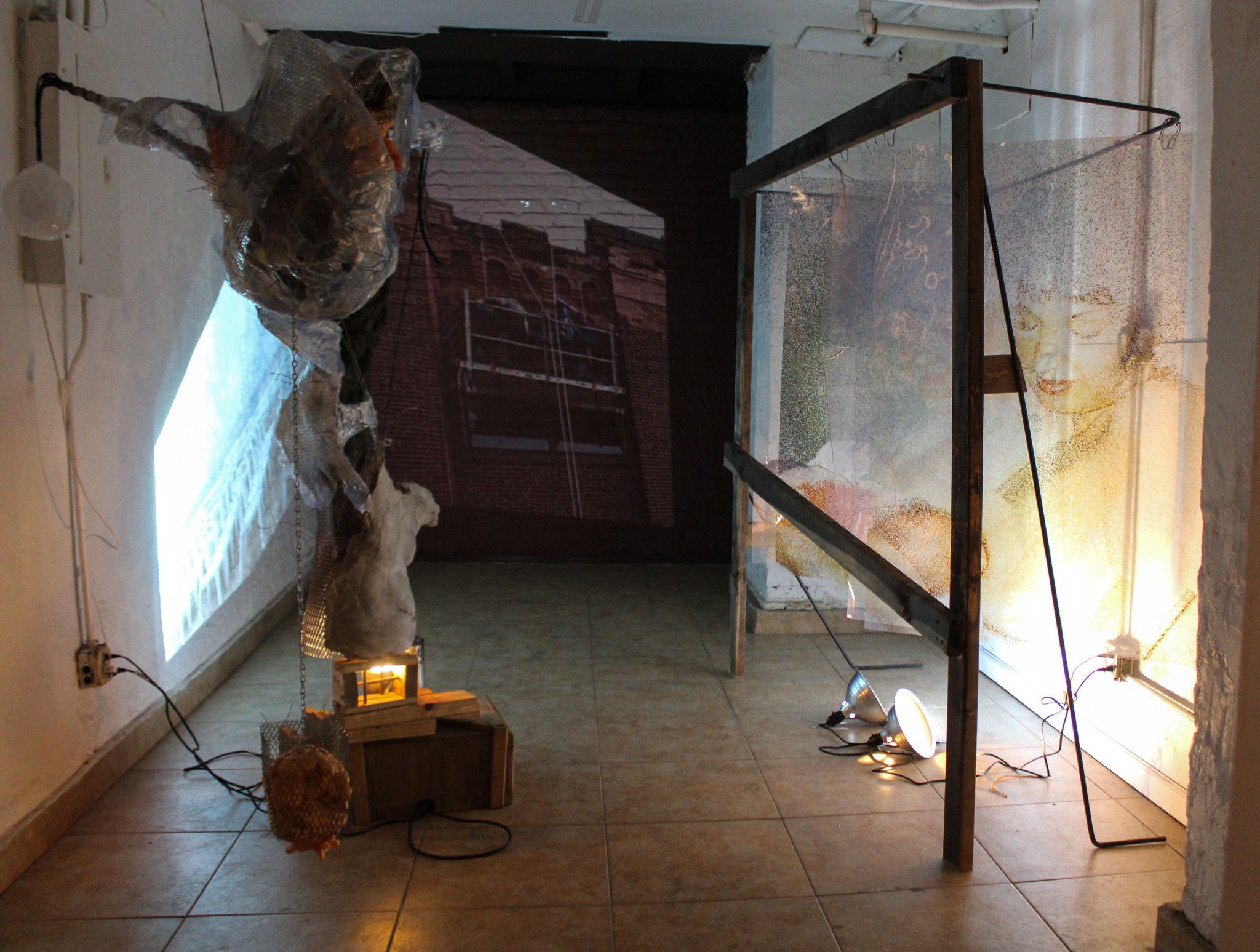
Privacy Index
55 Curtain Road, Shoreditch, London, UK EC2A 3PT
Mar 19 - Apr 11, 2026
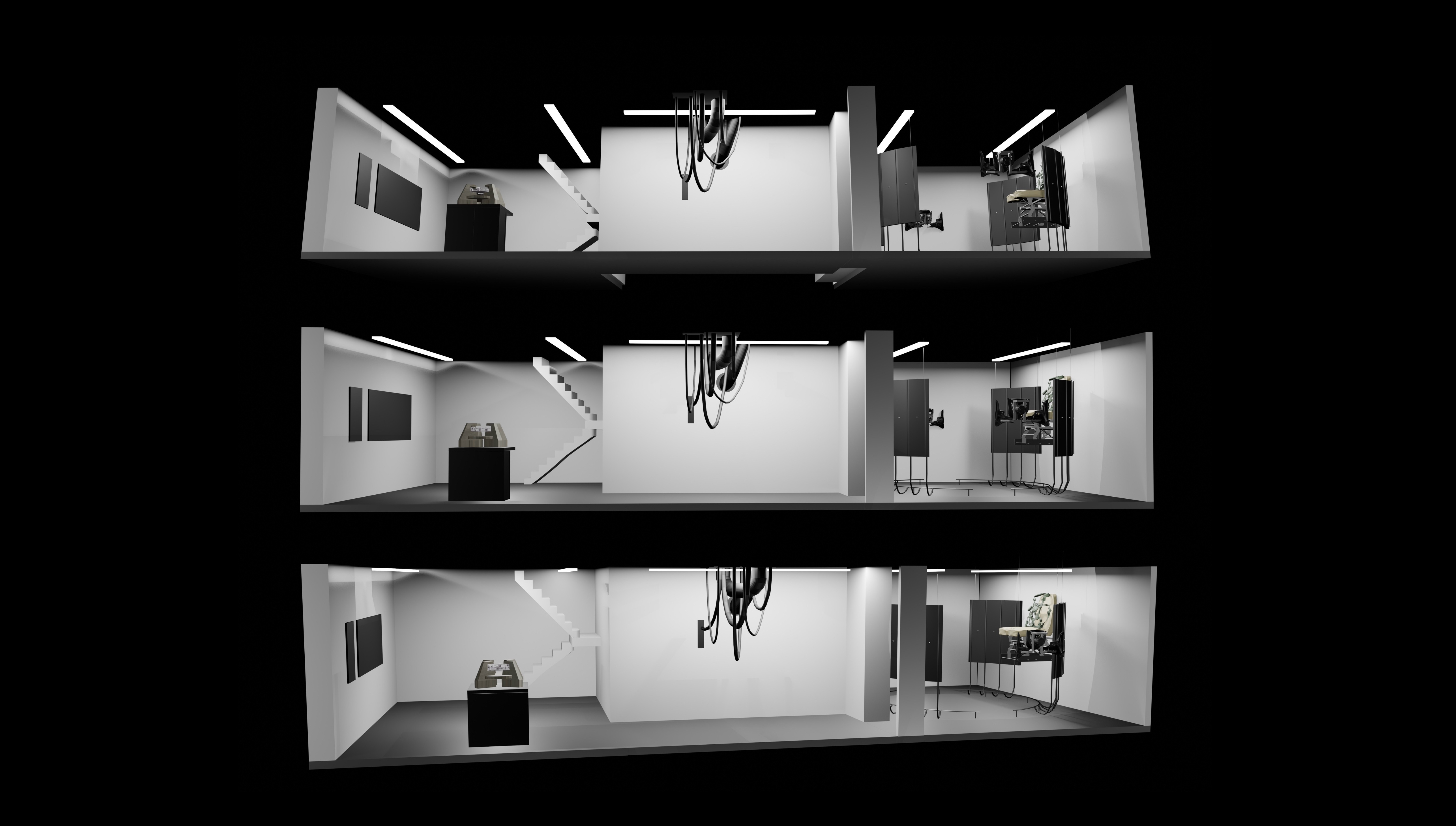
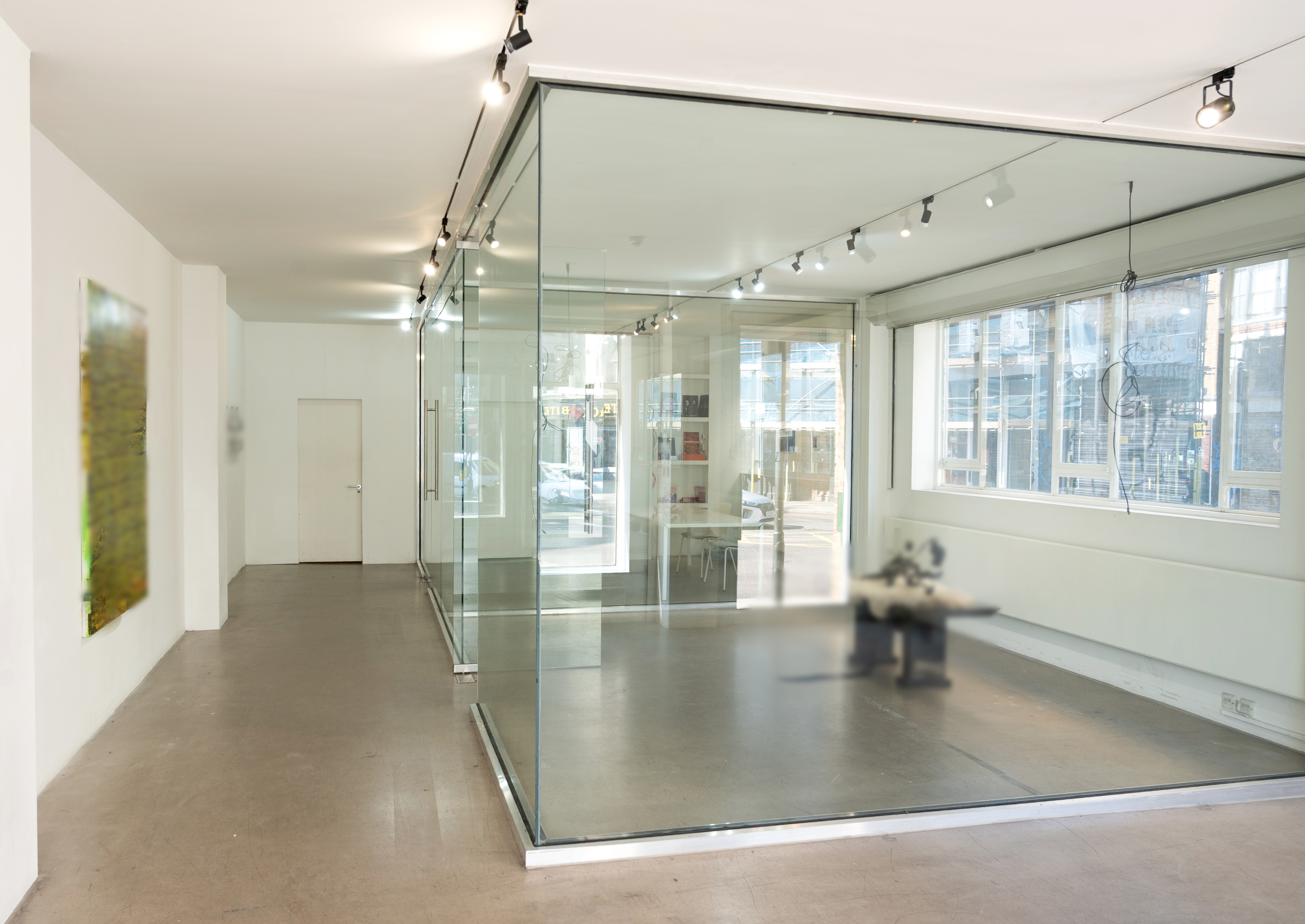
LUmkA is pleased to present Privacy Index, the gallery's inaugural exhibition in London following its recent relocation from New York City. Presented in collaboration with Big Brother Watch, Electronic Frontier Foundation (EFF), and No2ID, the exhibition will be on view from 19 March to 11 April 2026, with an opening reception from 18:00-21:00 featuring a performance by LINX on 19 March.
Privacy Index tracks the ontological evolution of surveillance from lens-based observation to its contemporary form. The body itself has become a site of continuous data extraction. Advanced machine vision systems—biometric, cellular, virtual, lens-based—transform the corporeal form into an unwitting data mine, extracting a wealth of information from our facial expressions, gait, hesitations, and microexpressions. This intimate bodily data, harvested and housed in remote server farms, molds the very lens through which we perceive and navigate lived reality.
Featuring Ruby Chen, Nicholas Cheveldave, James Hoff, Miles Scharff, Linx Peng, and Ivo Nagel, Privacy Index collectively interrogates how contemporary regimes of visibility have recalibrated subjectivity and agency in the twenty-first century. Drawing on Foucault's theory of the Panopticon—wherein power operates through internalized observation—Privacy Index examines how surveillance modulates our performances of selfhood and conformity within social norms and expectations.
While privacy has become an urgent public concern, it remains poorly grasped as both a concept and a living practice. Privacy Index arrives as a timely interrogation of surveillance capitalism that insists art's power to provoke consciousness and enable resistance. The exhibition asks viewers to recognize practices of self-regulation and consider what refusal might look like now that visibility is obligatory. Privacy Index stages a tableau of interventions by artists who not only organize a mirror reflecting and exposing the condition, but also suggest self-representation through encryption.
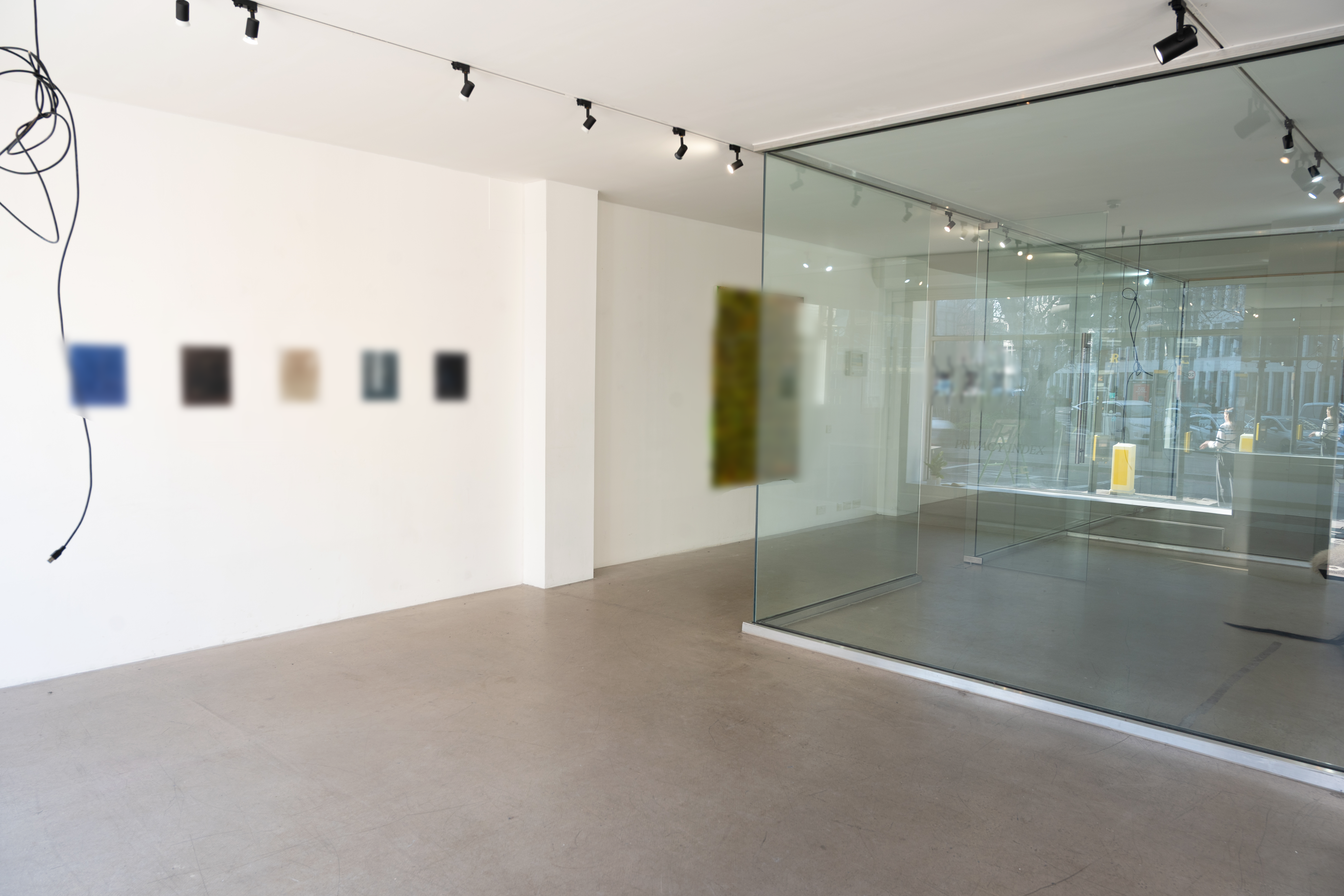
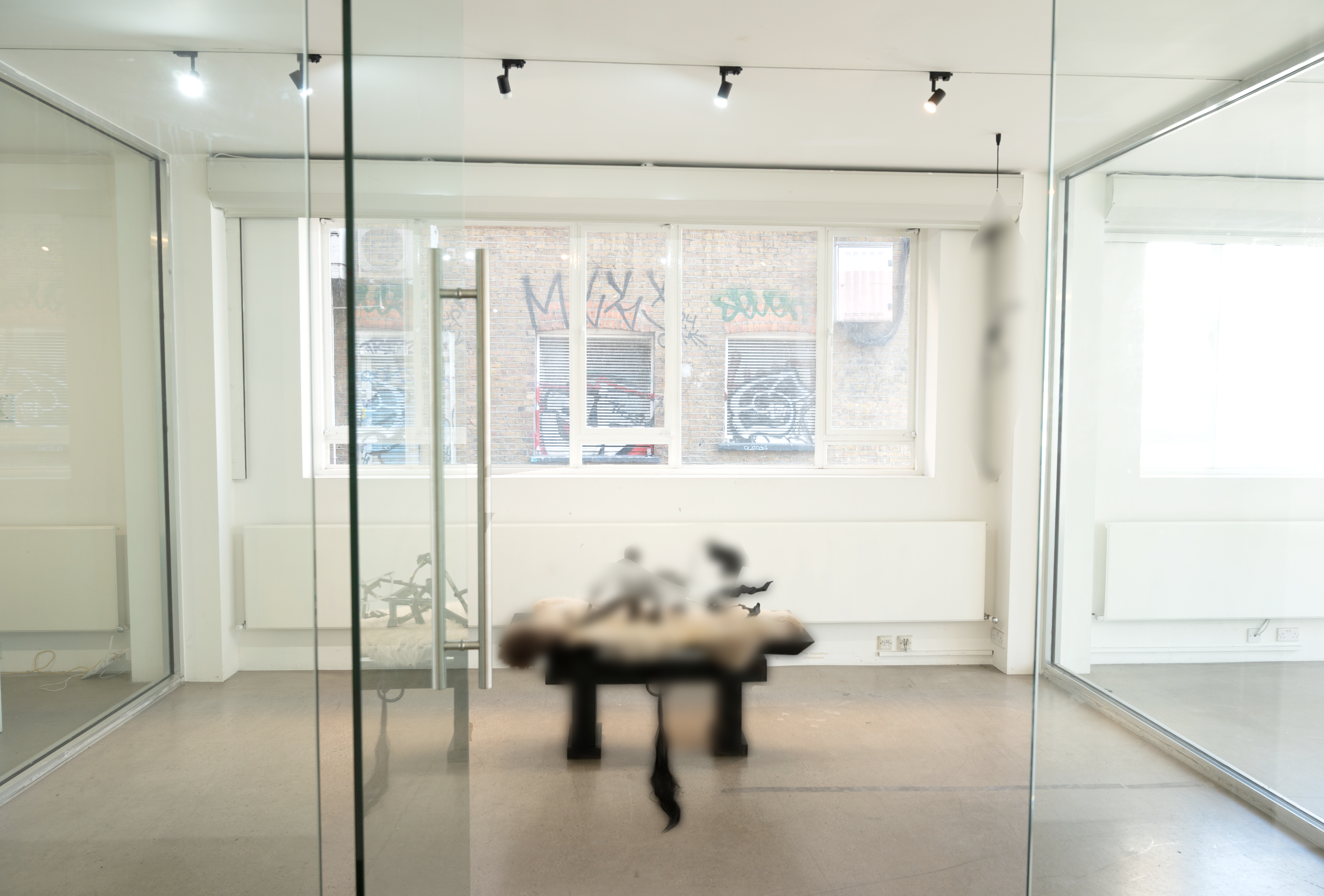
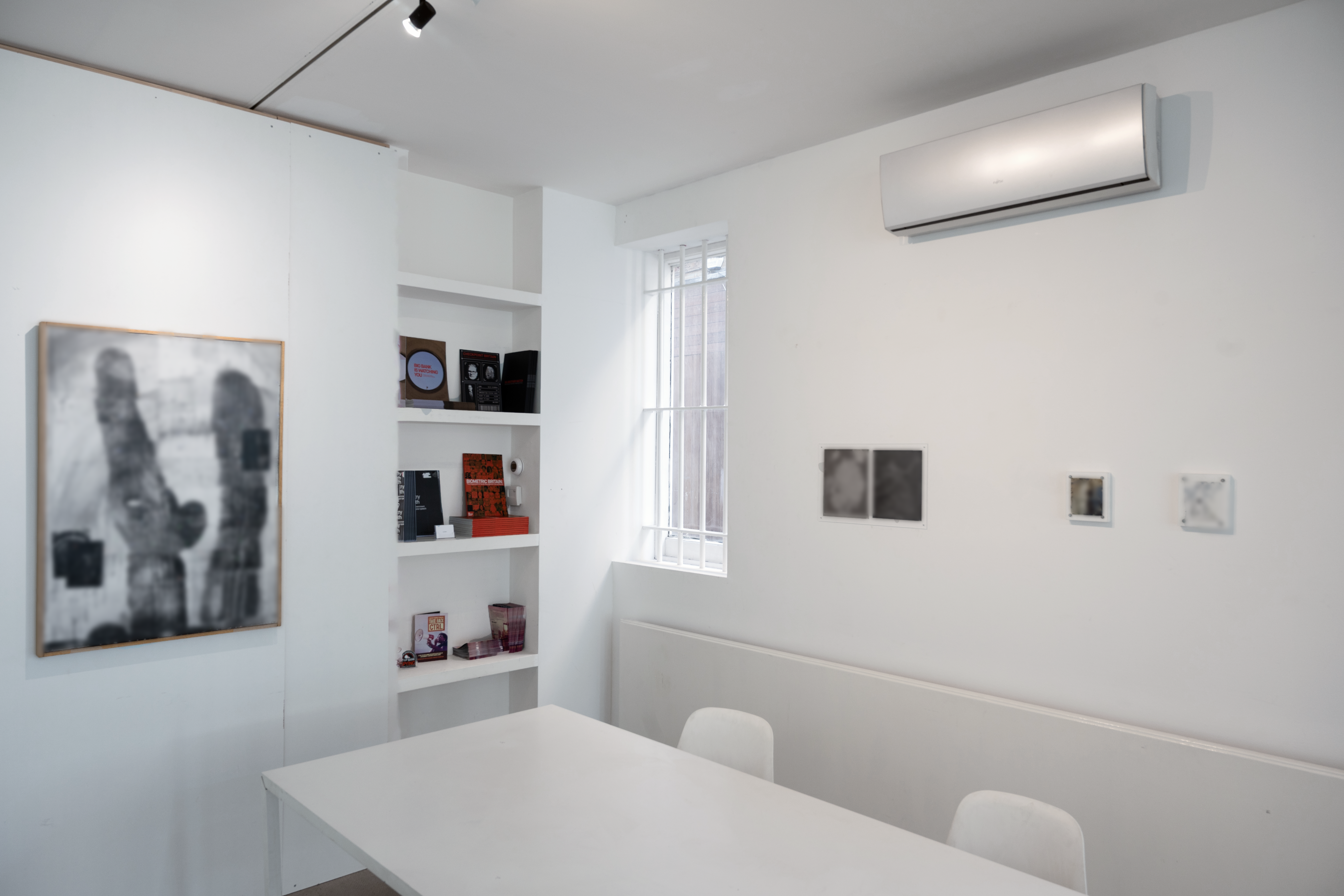
Exhibition note: To exercise Privacy Index’s rejection of data mining, the gallery will not be circulating images of the artwork and installation on media platforms. It is up to the audience whether they choose to decide the same.
Ruby Chen (B. 2001)
Chen is a multidisciplinary artist working primarily in sculpture and painting. Drawing from psychoanalysis and cultural and economic theory, the artist examines how primal human compulsions - particularly those shaped by technology, consumption, and power - repeat themselves across historical and contemporary contexts. Chen’s academic background in social policy informs a materially driven practice that foregrounds the body as a site of both control and resistance. The artist’s works frequently incorporate humanoid materials such as animal fur, skin-textured rubber, synthetic hair, and industrial metal fixtures. These material juxtapositions generate visceral bodily responses and articulate the artist’s exploration of the unconscious and its entanglement with technological acceleration.
Chen’s work has recently been exhibited internationally by New Art Dealers Alliance (NADA), NYC, LUmkA, London, and Alexia Project, Shanghai. The artist’s works have been featured in publications such as Flash Art, Elephant Art Magazine, Office Magazine, Metal Magazine, and Hypebae, among others.
Nicholas Cheveldave (B. 1984)
Cheveldave’s practice brings together a range of processes including photography, painting, 3D rendering and sculpture that culminate in densely layered collages and assemblages. His practice critically engages the ways in which Western consumer culture generates and controls the communication of contemporary identity. Images harvested from accessible sources – including digital visual archives of commerce, like Craigslist, and social media, or cut-outs from daily commuter papers – are layered onto the artist’s personal photographs. The resultant image manipulations explore the readymade subject formations that occur when individuals are driven to craft, perform and disseminate their own imaged identity to be consumed by others.
James Hoff (B. 1975)
James Hoff is a multidisciplinary artist known for her work in sculptuis an artist living and working in New York. His work encompasses a variety of media, including sound, video, painting, and publishing. Hoff’s multidisciplinary approach begins at the user level—the level at which we interact with consumer technologies, media, and data. He has worked with computer viruses, inaudible data signals, ear worms, culture bound illnesses, dead zones, and hacked google maps as tools and framing devices for works that reimagine and expand the creative potential of digital networks beyond their economic and corporate-engineered use value. By exploiting and manufacturing technological and cognitive glitches, Hoff illuminates the social, political, and historical context of the software and media that we interact with on a daily basis. He has exhibited or performed at Artists Space, Bergen Kunsthall, Bielefelder Kunstverein, the Carpenter Center for the Visual Arts,Contemporary Arts Center (New Orleans), Hessel Museum of Art, ICA London, The Kitchen, Kunsthall Oslo, La Monnaie/De Munt, MassMOCA, MoMA/PS1, Museum of Contemporary Art (Denver), and the Onassis Cultural Center, among others.
Ivo Nagel (B. 2001)
Nagel is an artist working with photography, currently based in New York City. The artist is a recipient of the American Photography 40 award (2024) and the Parsons School of Design 50% Merit Scholarship (2023). Selected exhibitions include ‘Contact’, The 25th Pingyao International Photography Festival (2025); ‘Andes, America’, The Corner Gallery, New York (2024); and ‘Transcending Perspectives’, American Center for Photographers, North Carolina (2024). Selected press includes Museé Magazine (2025), Die Zeit (2023), and Bloomberg (2021).
Linx Peng (B. 2002)
Peng’s work draws inspiration from the body and its impulses to investigate how political structures, cultural memory, and systems of control affect rhythm and sensory experience. With this intention, Peng’s ever-evolving project, “CARE,” intersects sound, performance, and labor to generate site-specific artistic responses. In 2025, LINX presented her live performance piece CARE at TANK, West Bund Art & Design, Shanghai.
Miles Scharff (B. 1999)
A sound artist and improviser working with radio electronics, sound sculpture, video, spatial audio, and performance. His current research explores how everyday objects double as involuntary antennas, absorbing and re-broadcasting stray electromagnetic and acoustic signals. Spawned by telecom and other industrial systems, these accidental relay points become unlikely portals for intimate acts of listening. Scharff sees them as case studies along a continuum that stretches from the epistemic rigor of Western science to its détournement by conspiratorial and fringe-spiritualist cultures. He builds devices and software that stage, record, and recontextualize these object–signal interactions, transducing latent fields into audible and kinetic forms; granting physical presence to phenomena that usually escape perception, situating them in relation to our bodies, architectures, and ecologies. His aim is not to affix a definitive truth, but to materialize the unseen so that it can be examined—critically and sensorially—within the complex infrastructures that shape contemporary experience.
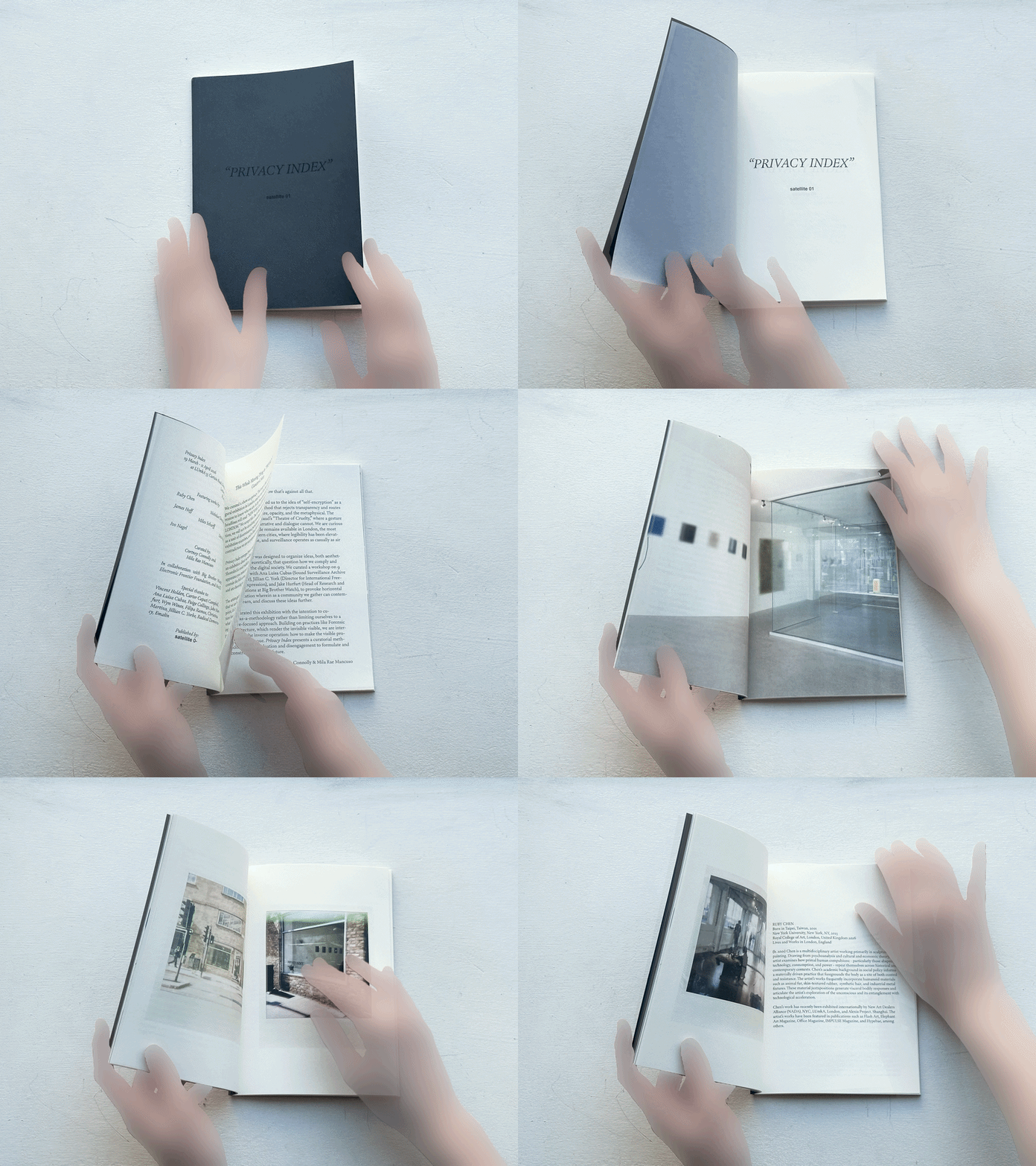
Hannah Einbinder was right: The Surveillance-Dissociation Complex
Works
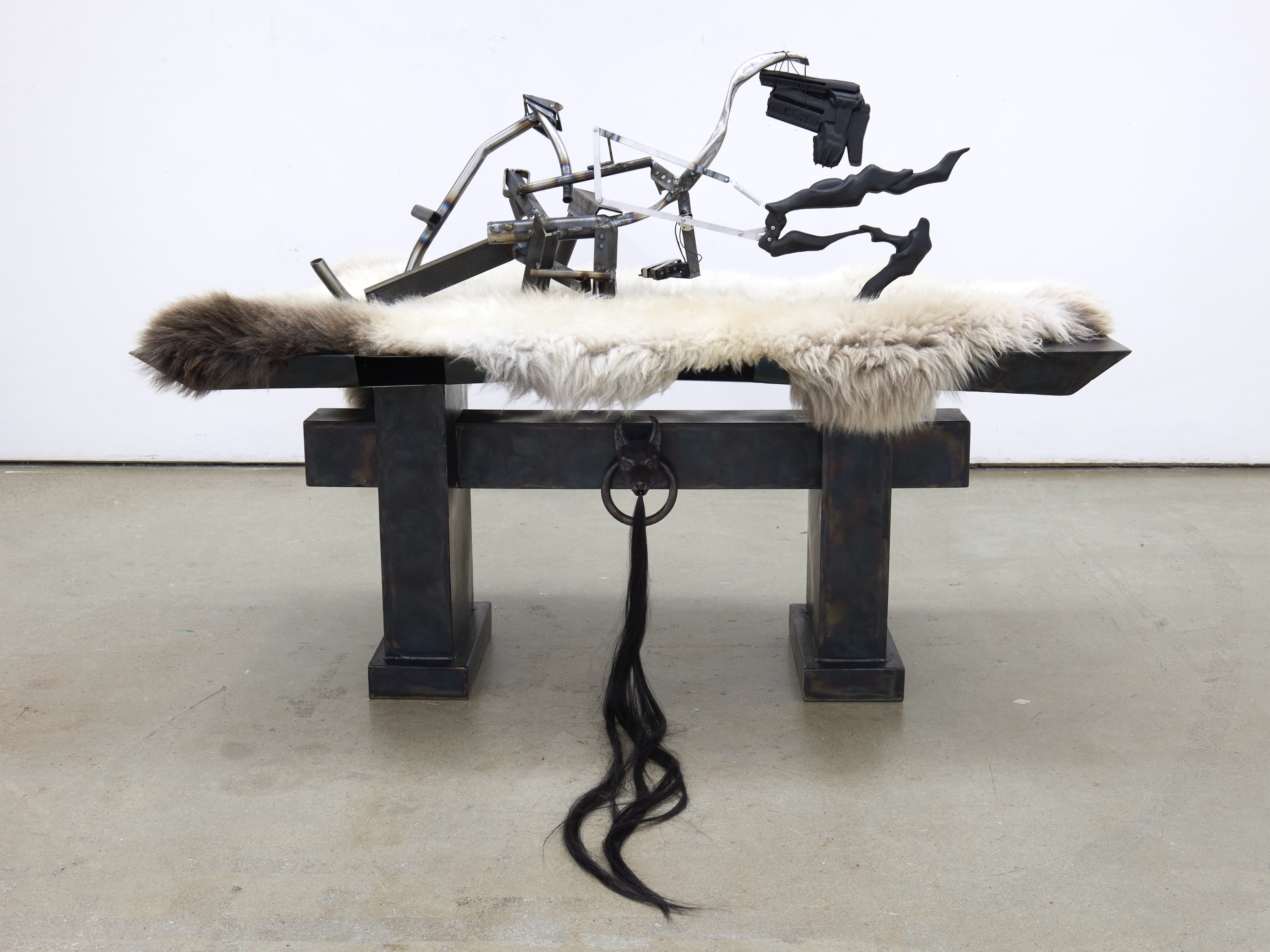
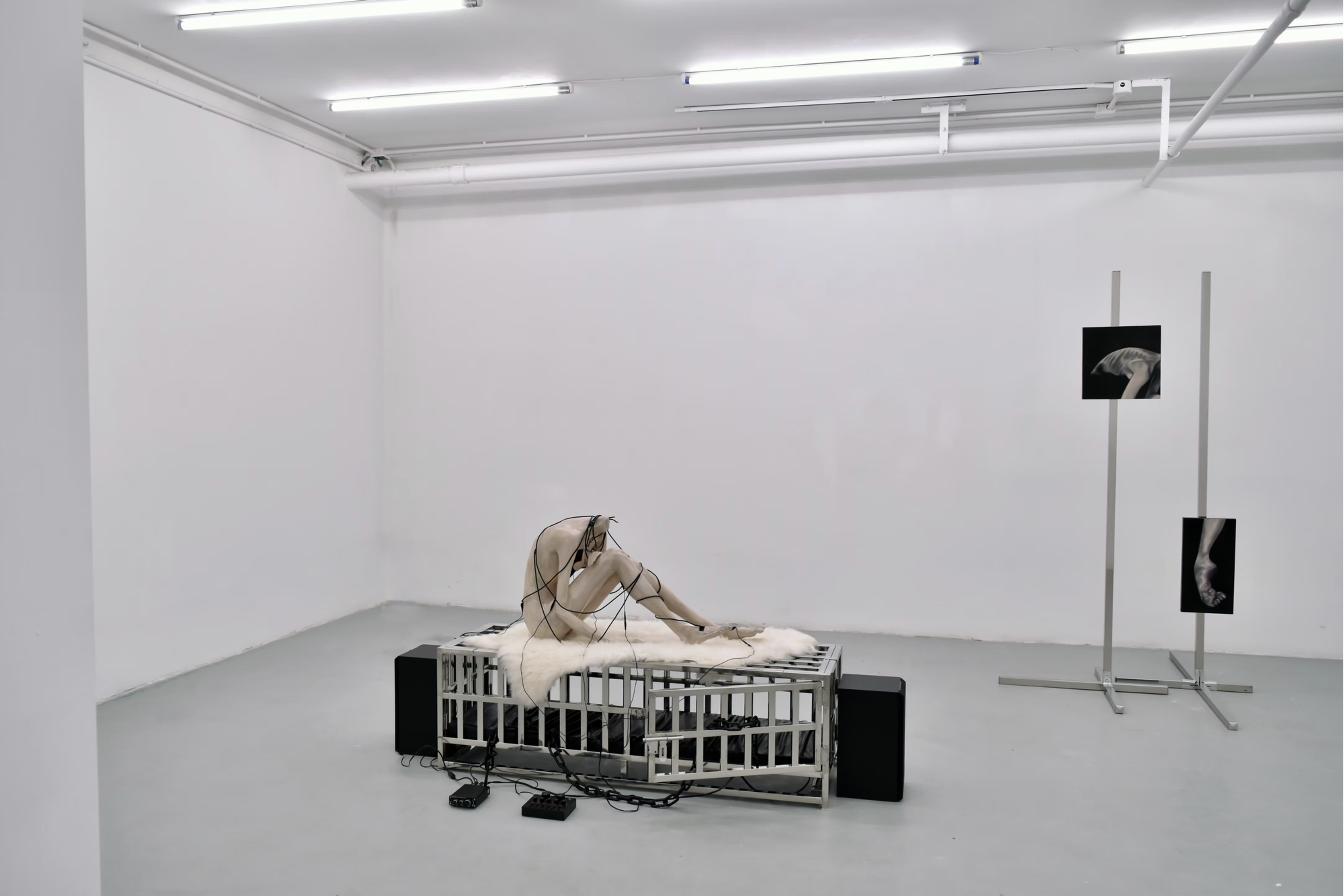
Ruby Chen, Archive Fever, 2026
Mild steel, sheepskin, copper, synthetic hair, plastic, rubber, and motor
135 x 97 x 60 cm
53 x 38.1x 10. 6 in
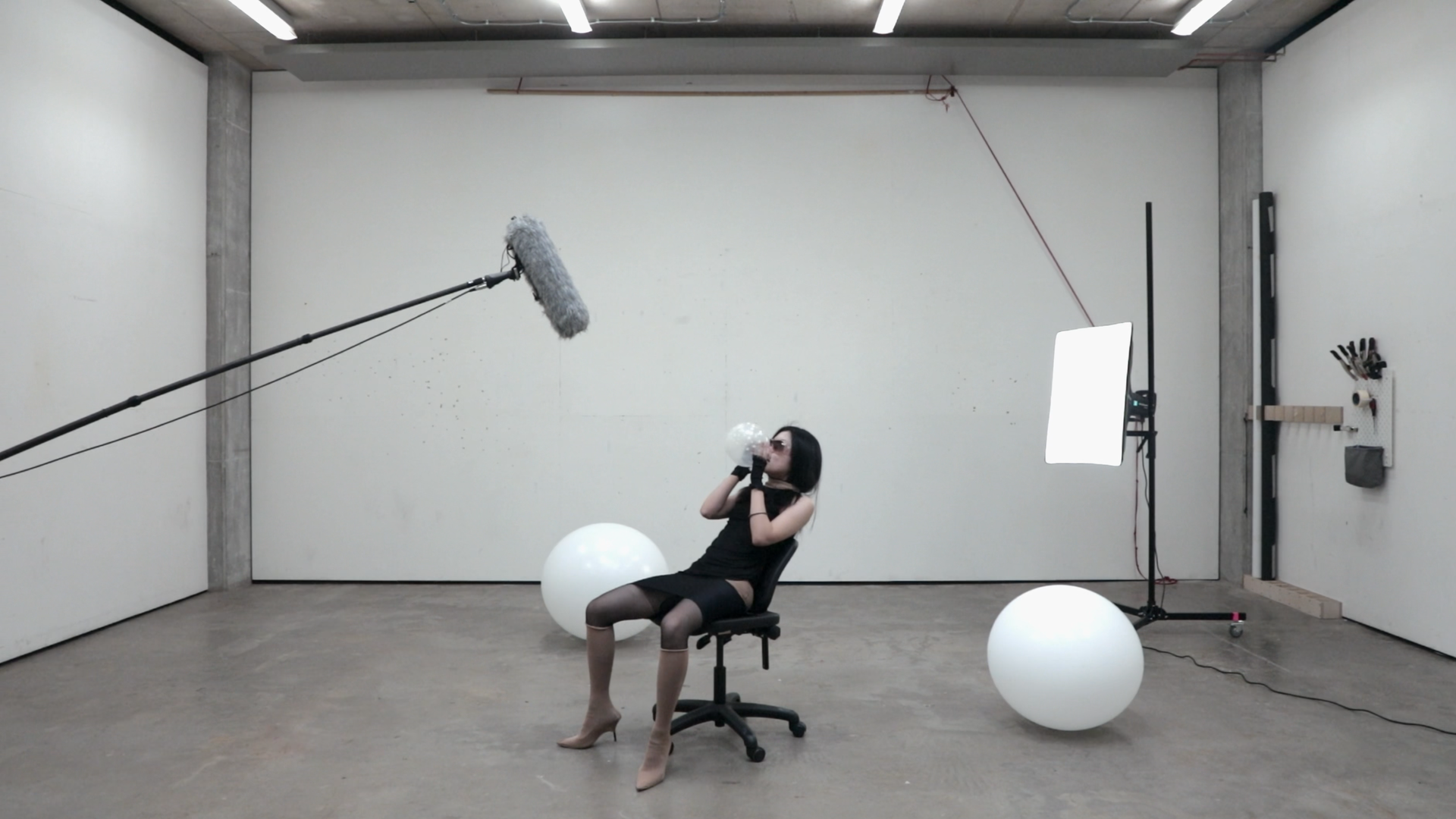
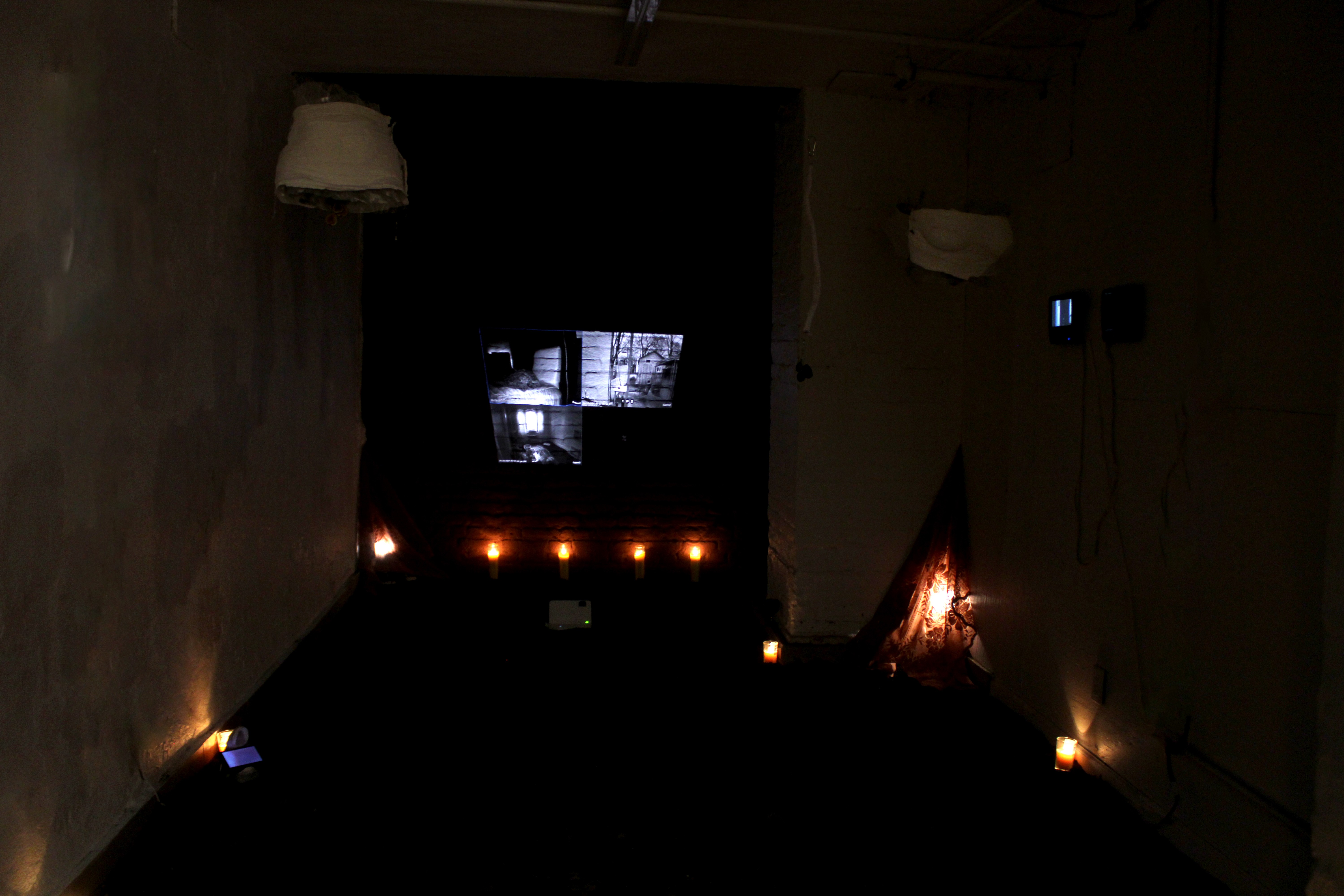
Linx Peng, Care ( ), 2026
Performance Documentation
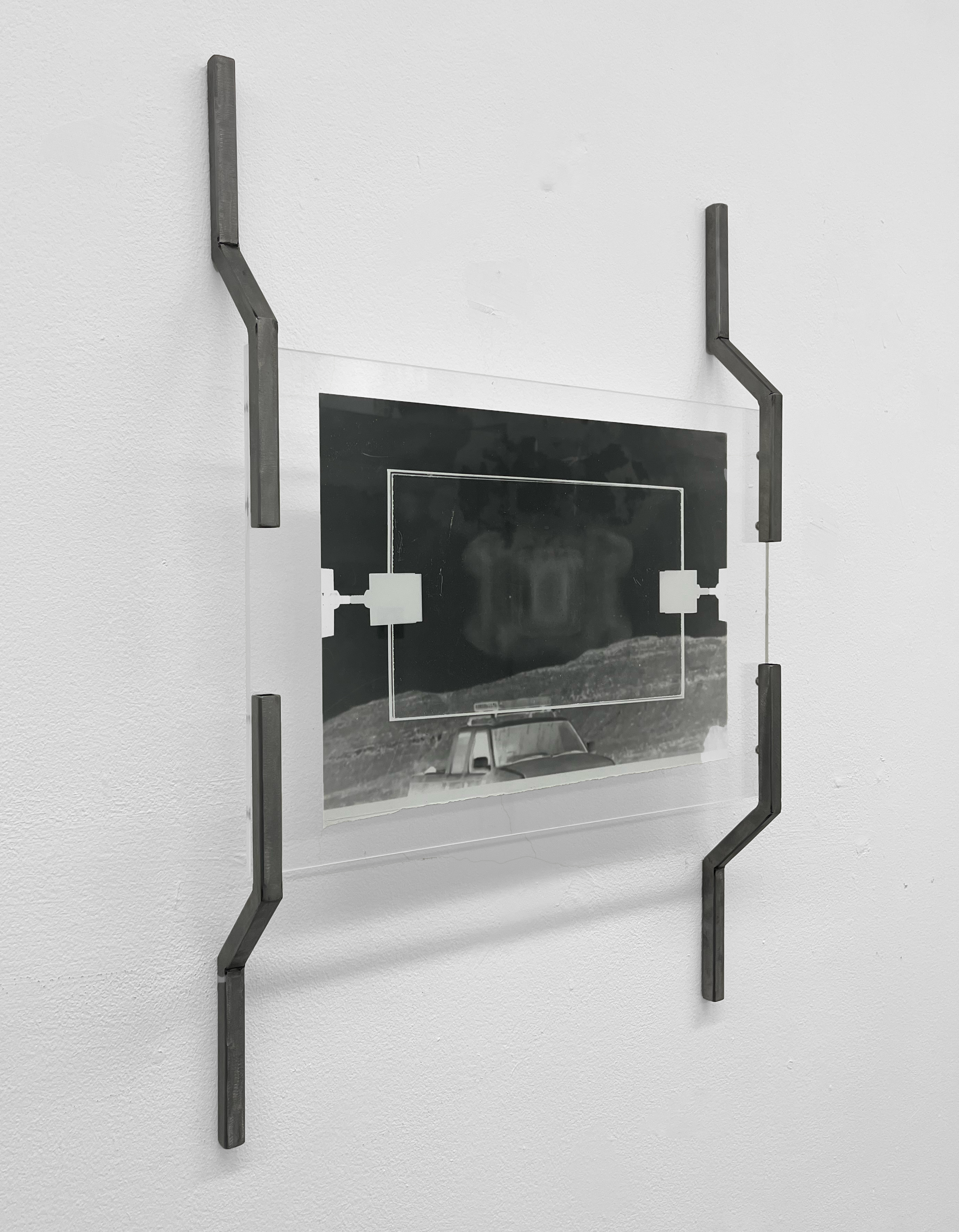
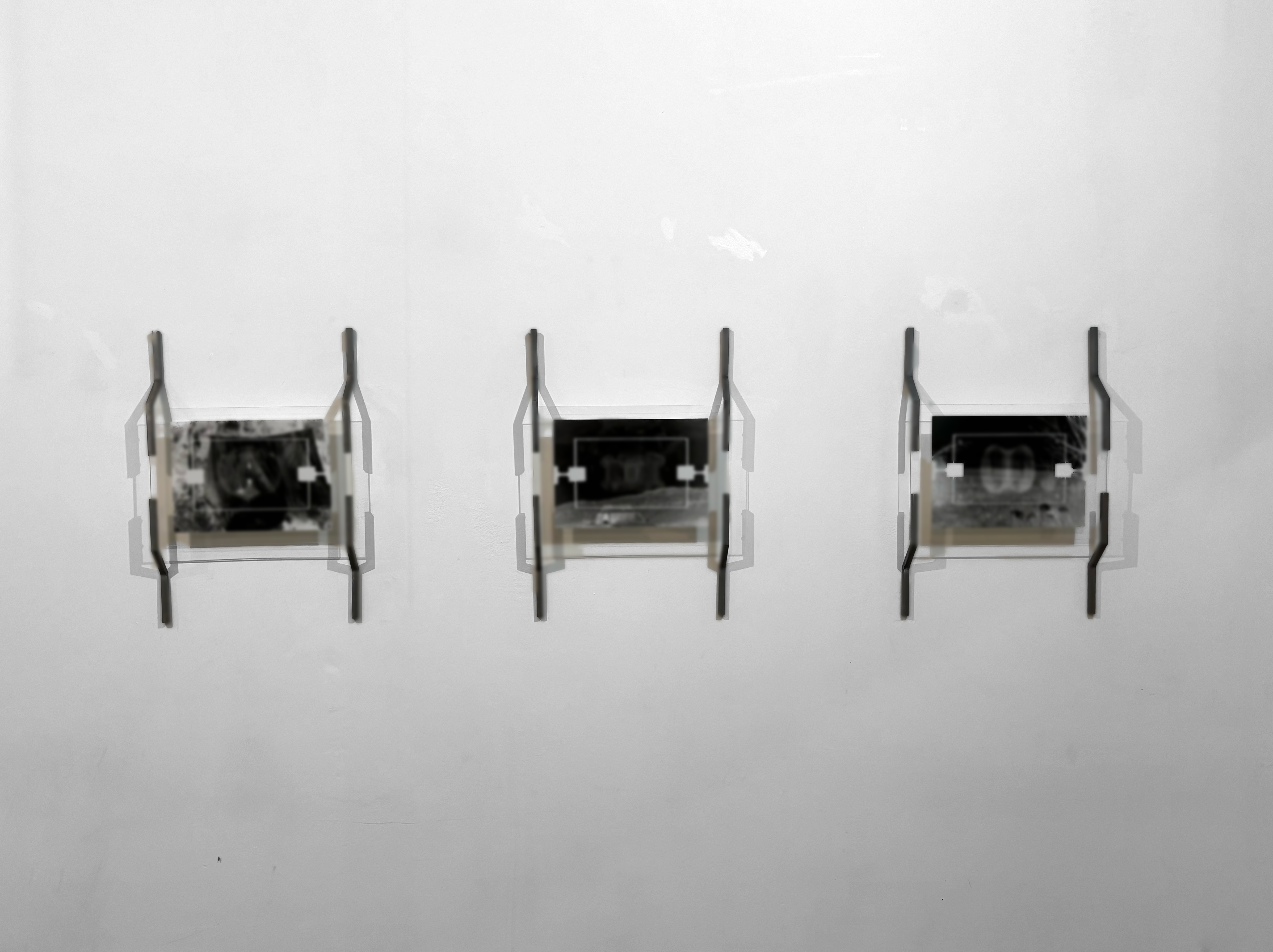
Miles Scharff, Gradient Superposition (04), 2026
Photograph, mounted between acrylic panes and steel
9 x 12 in (Sheet)
22.86 x 30.48 cm (Sheet)
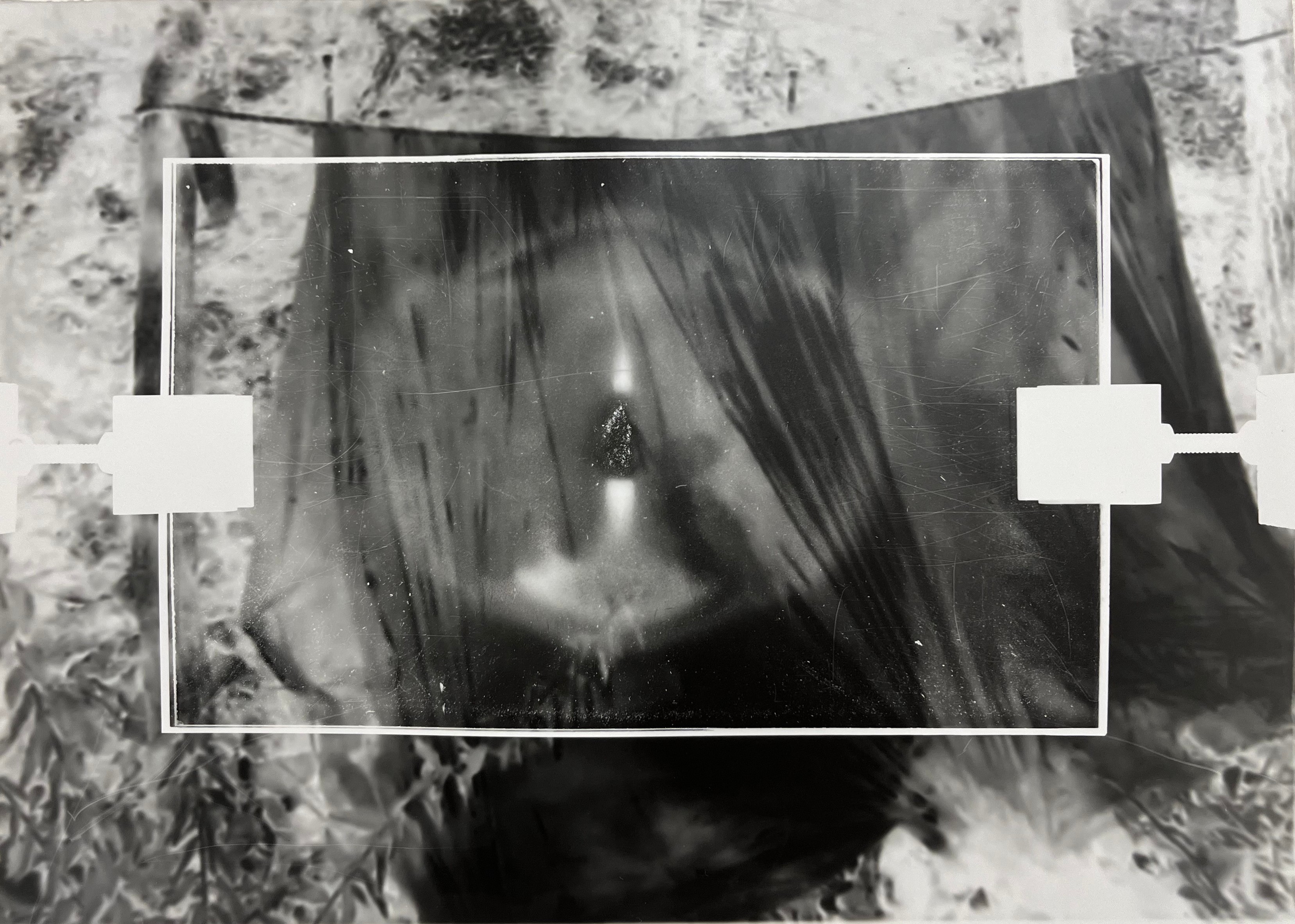
Miles Scharff, Gradient Superposition (02), 2026
Photograph
9 x 12 in (Sheet)
22.86 x 30.48 cm (Sheet)
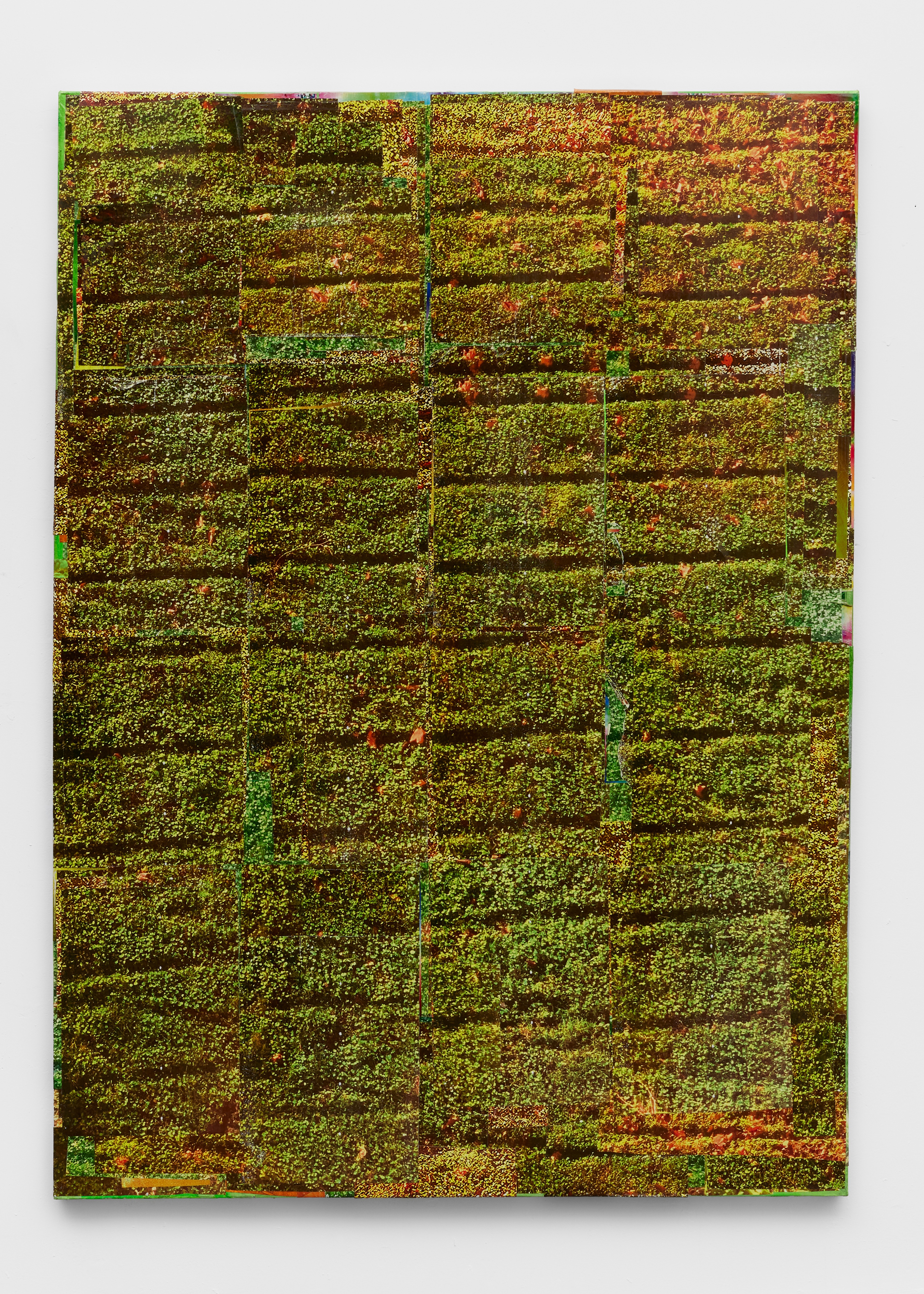
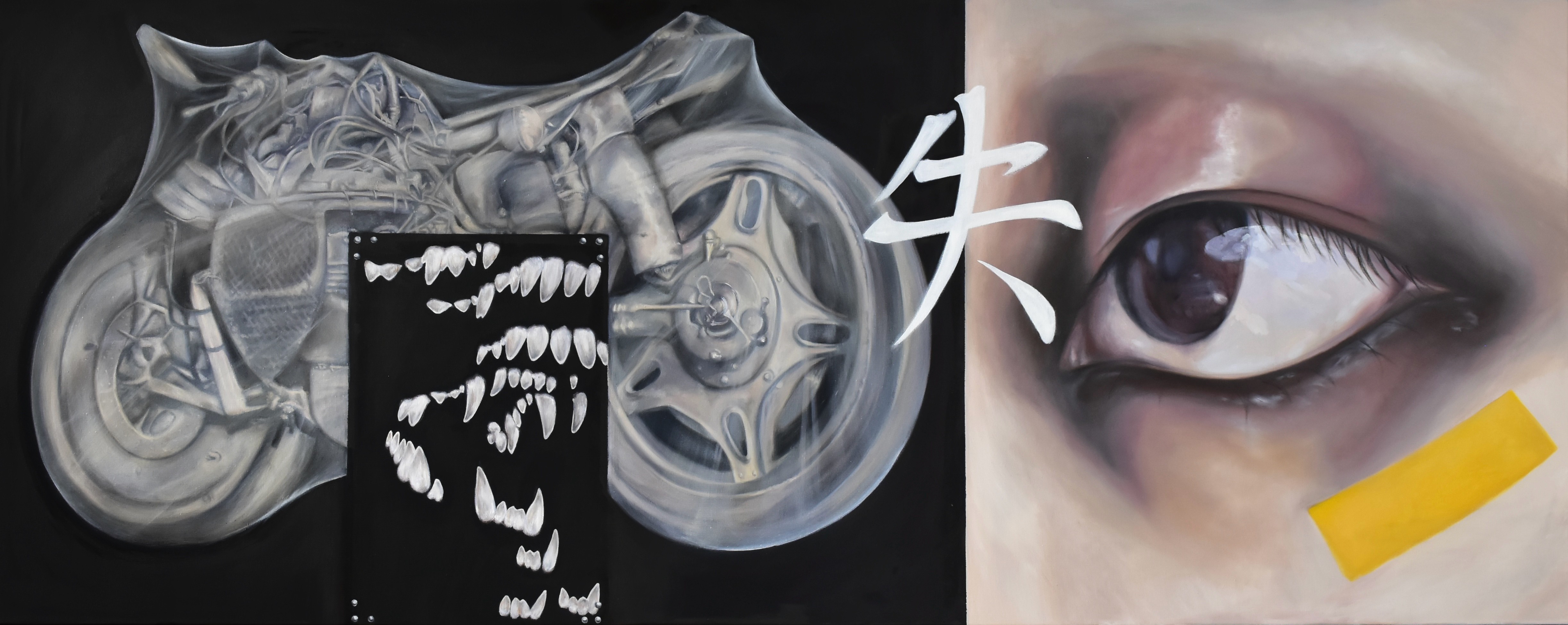
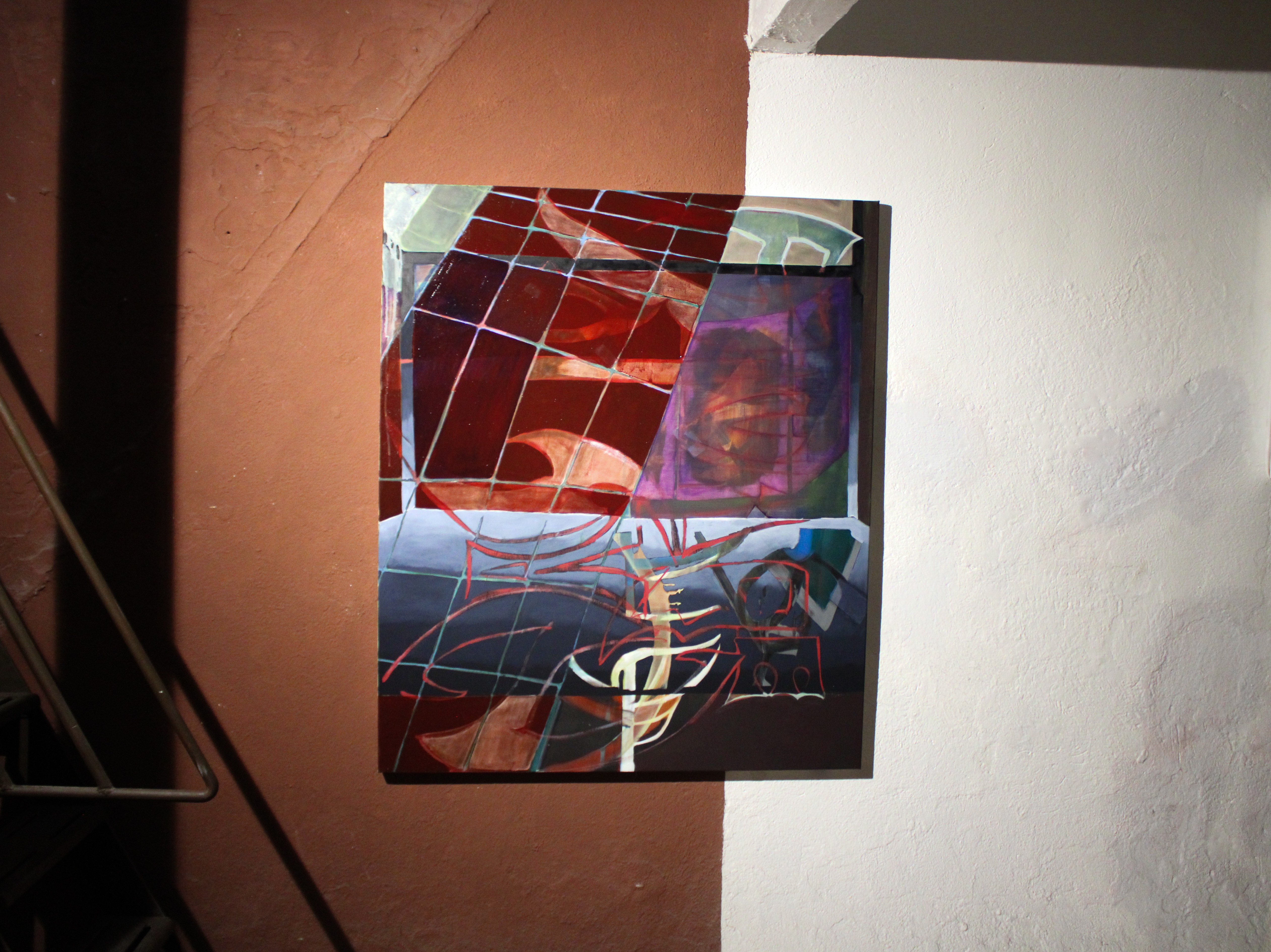
Nicholas Cheveldave, Summer Breeze, 2023
Paper and acrylic on canvas
70.8 x 51.2 x 1.6 in
180 x 130 x 4 cm
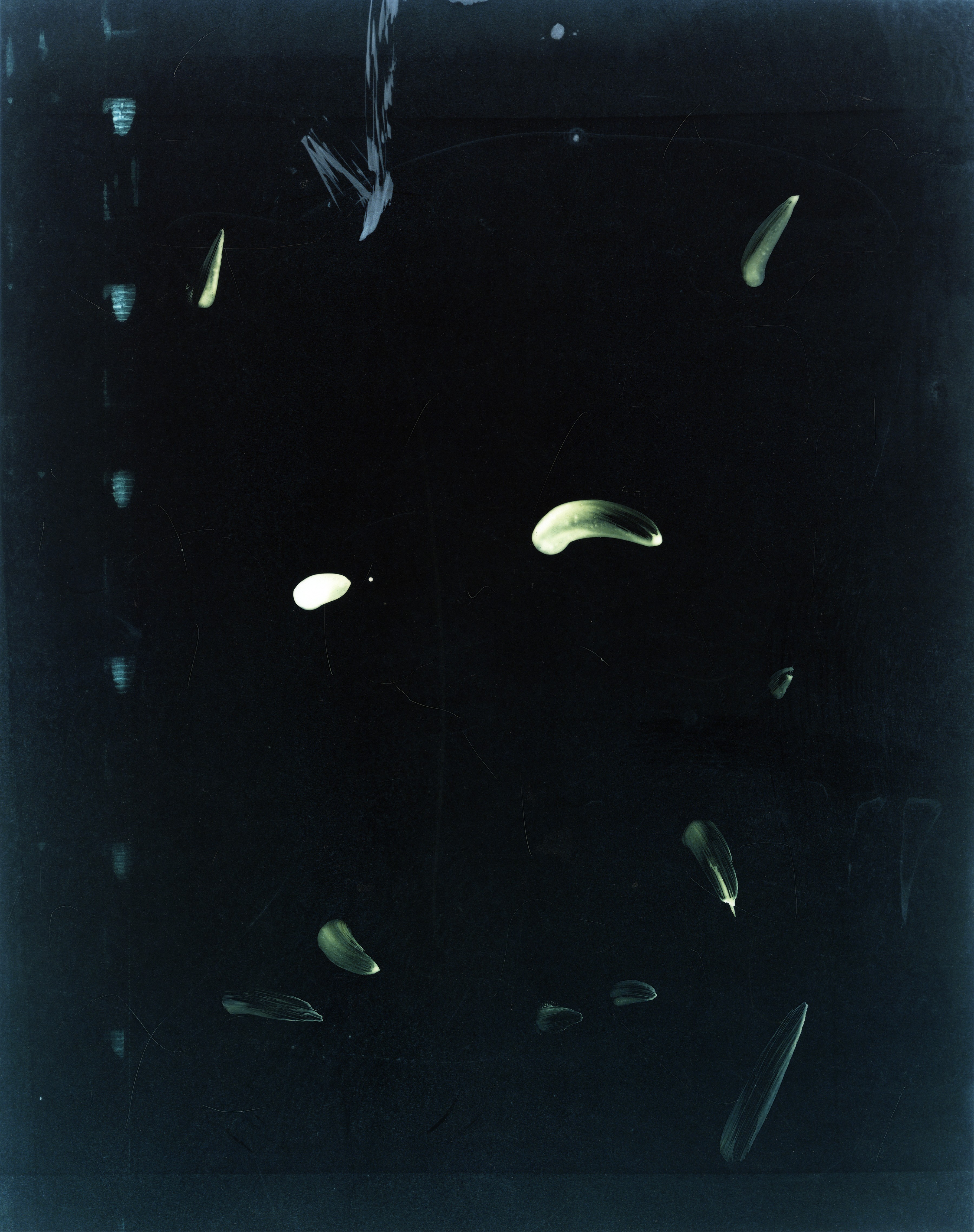
Ivo Nagel, Untitled, 2025
Analogue c-type photographic print
12.38 x 9.75 in (Sheet)
31. 44 x 24.7 cm (Sheet)
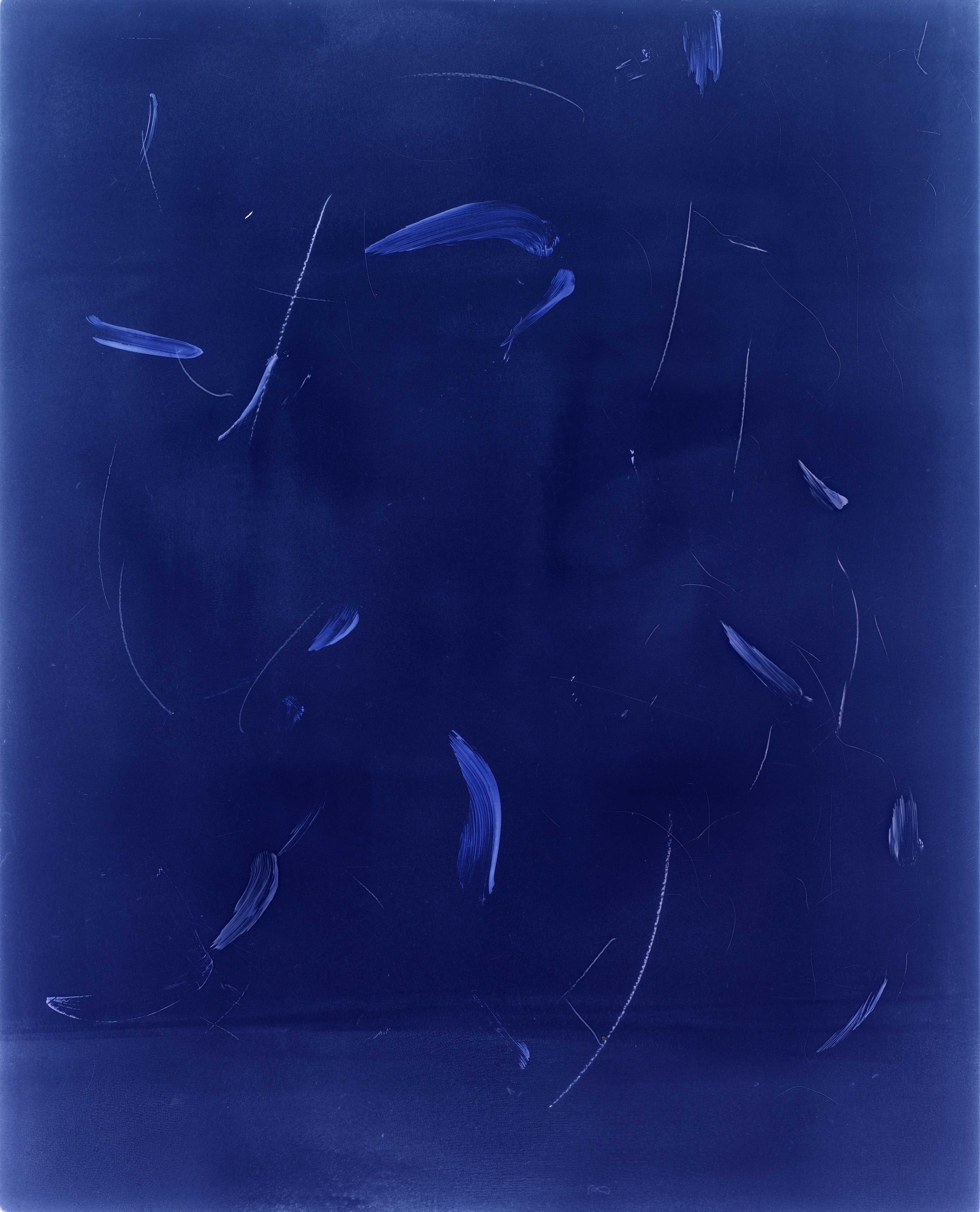
Ivo Nagel, Violets grow on thistles’, 2025
Analogue c-type photographic print
10.00 x 12.38 inches (Sheet)
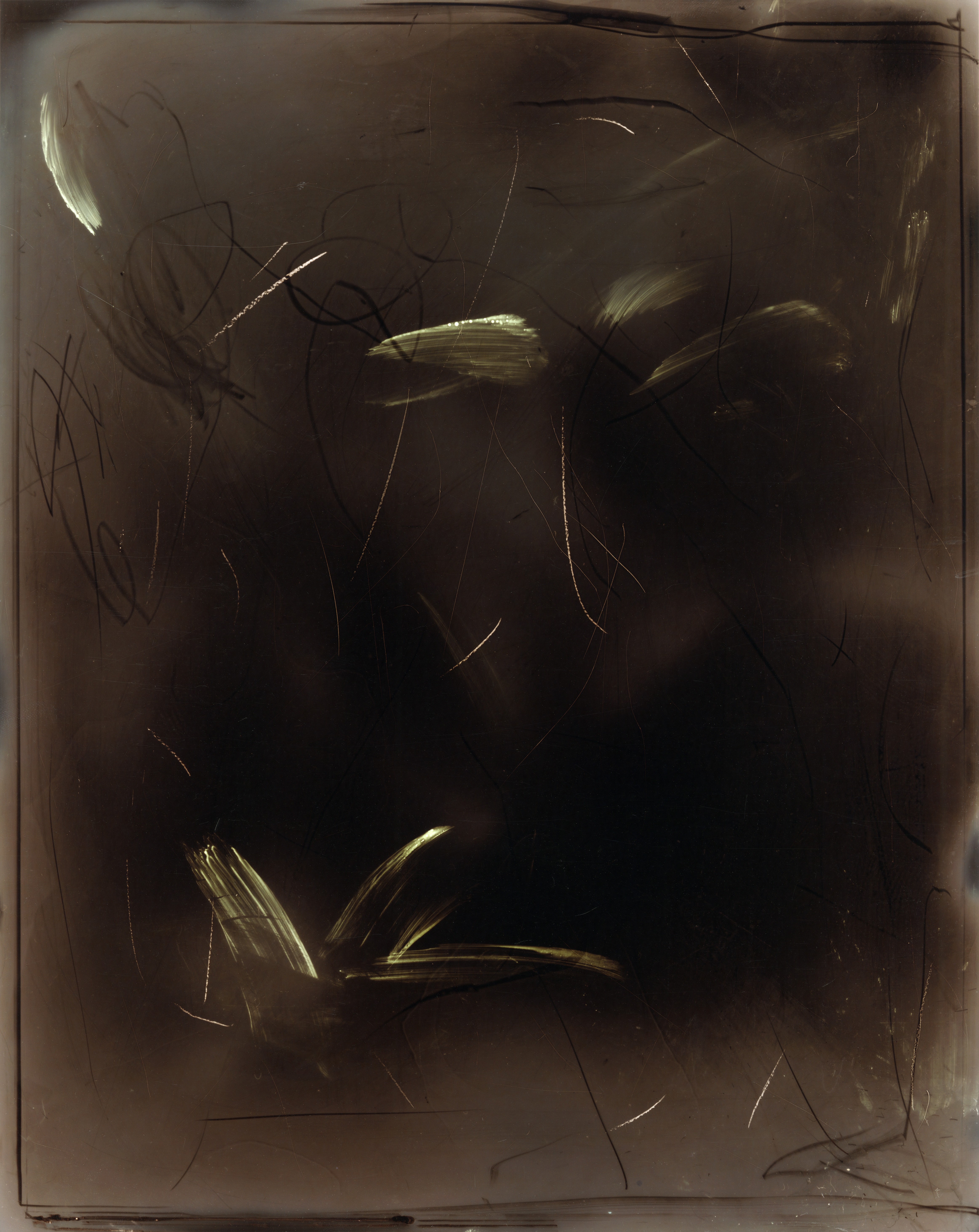
Ivo Nagel, Narcissus wandering in the pathless woods’, 2025
Analogue c-type photographic print
10.75 x 13.00 inches (Sheet)
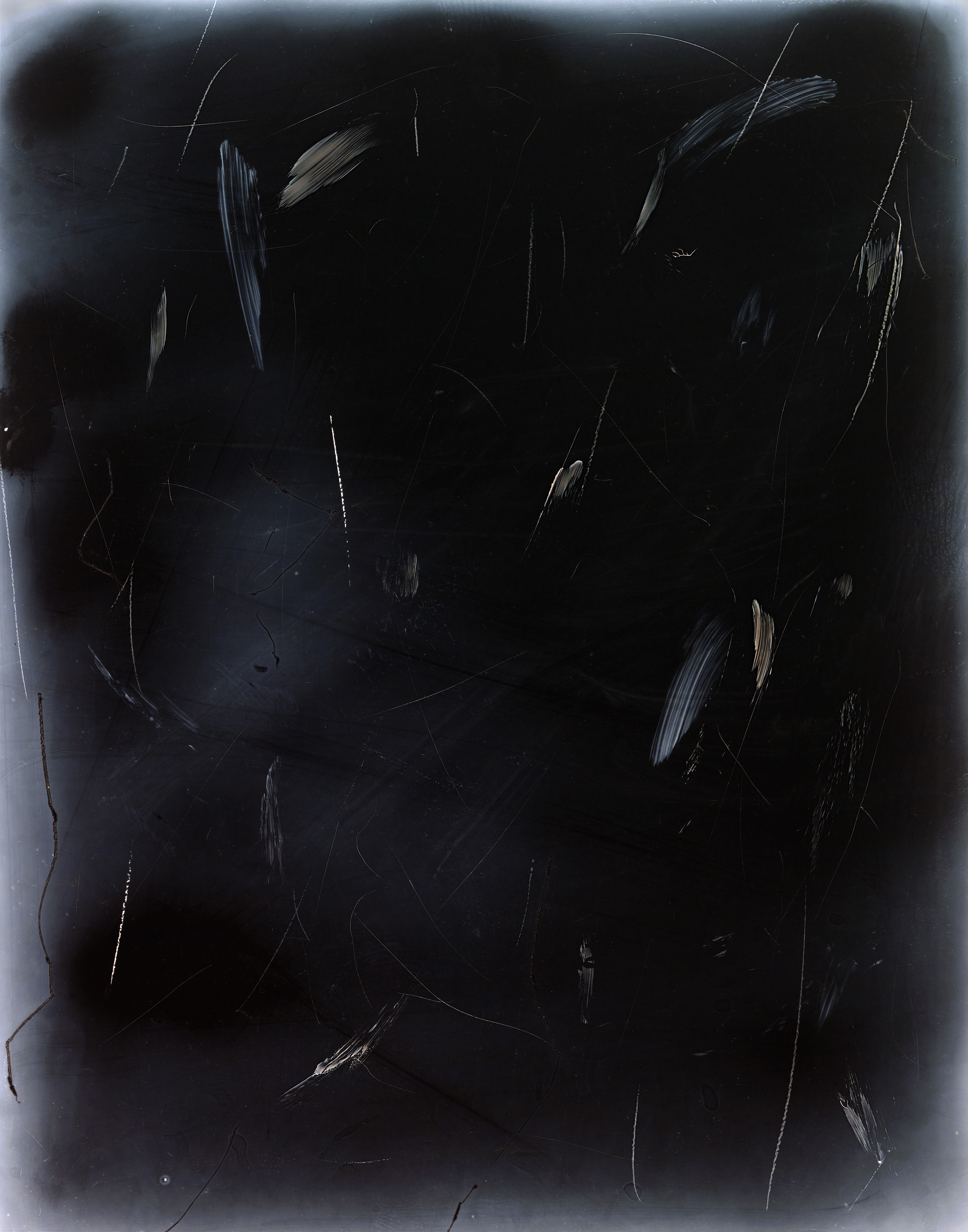
Ivo Nagel, Untitled, 2025
Analogue c-type photographic print
10.13 x 12.88 inches (Sheet)
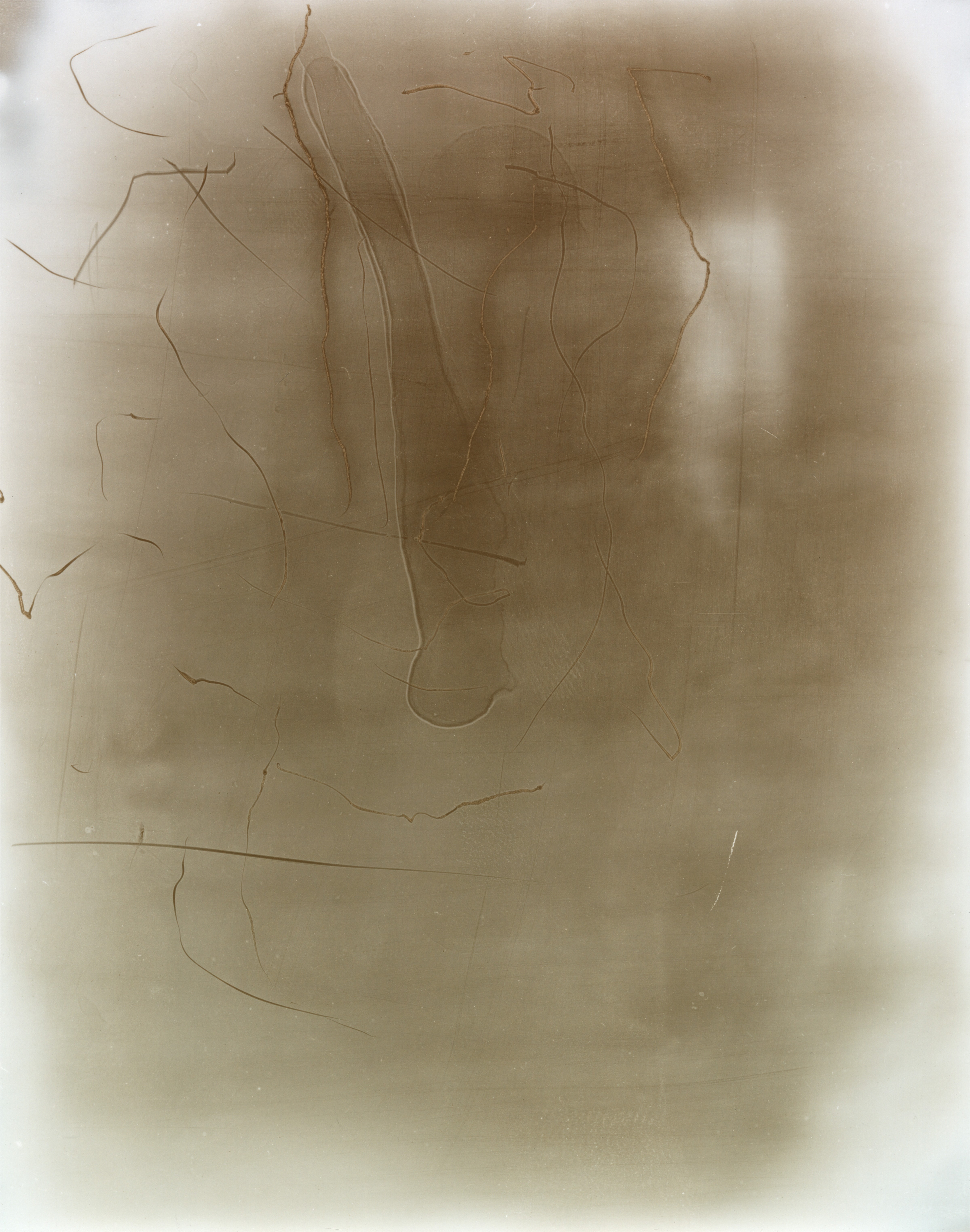
Ivo Nagel, Untitled, 2025
Analogue c-type photographic print
9.75 x 12.38 inches (Sheet)
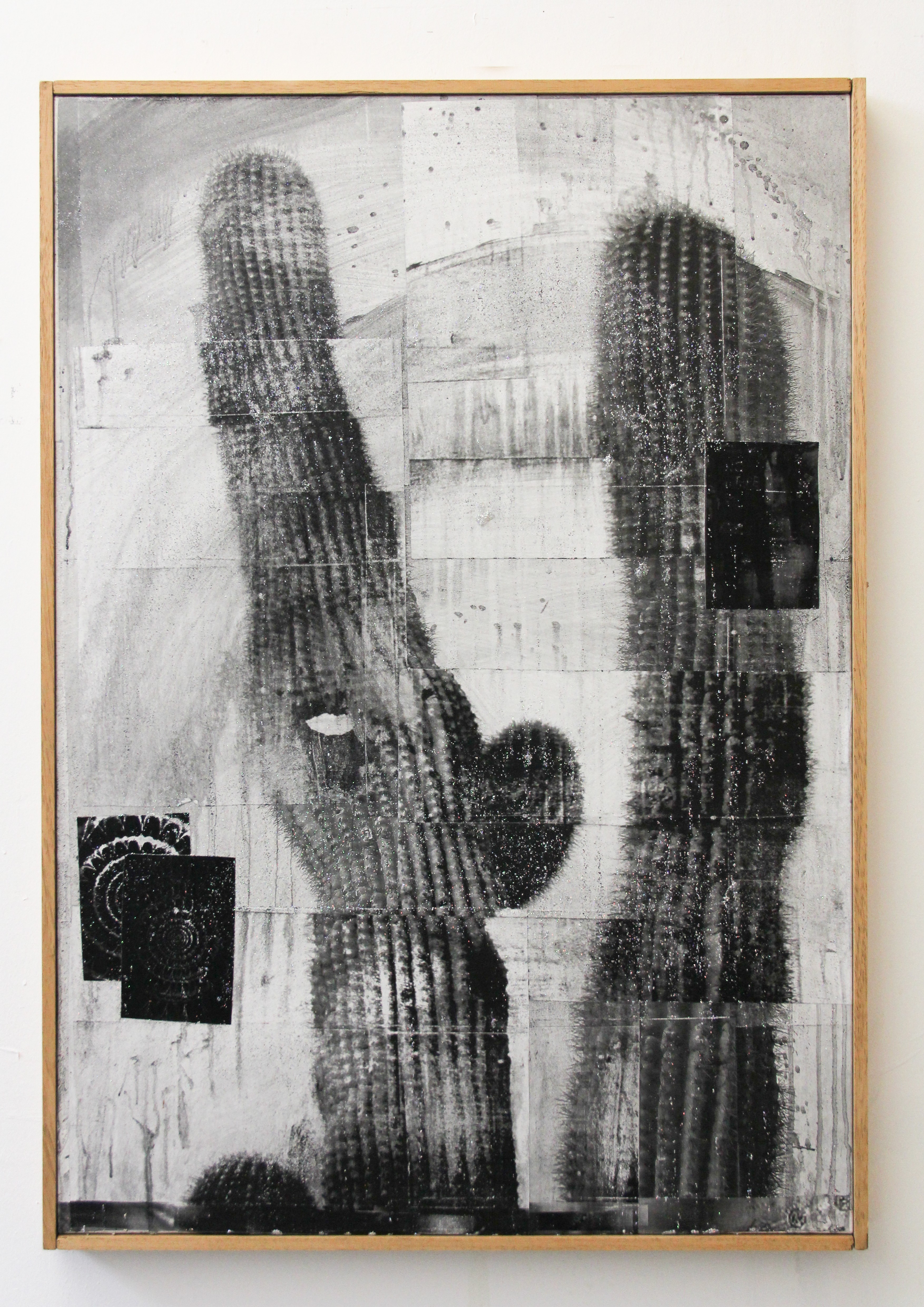
Nicholas Cheveldave, Untitled, 2021
Paper, acrylic, and glitter on canvas with artists frame
40 x 28.3 x 1.6 in (Framed)
102 x 72 x 4 cm (Framed)
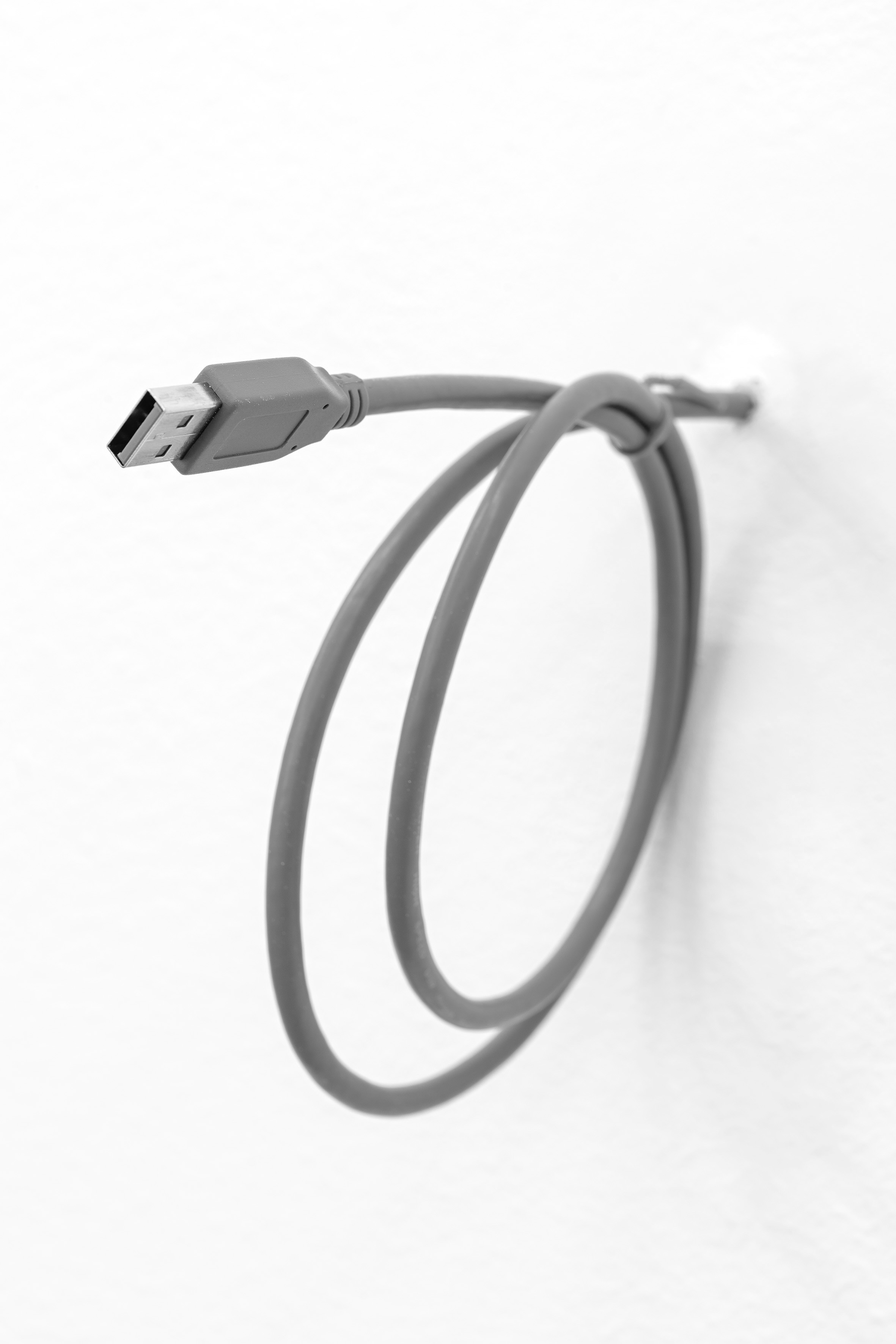
James Hoff, rockyou2009, 2026
USB Cable, USB, USB-C Converter
Dimensions variable
Press
““ S u r v e i l l a n c e ” ”
Albie Fay, Finn Cliff Hodges, One Third Editions
Jun 10, 2026
“H a n n a h E i n b i n d e r w a s r i g h t : T h e S u r v e i l l a n c e - D i s s o c i a t i o n C o m p l e x ”
Ava Emilione, The Birdcage
Apr 20, 2026
“S e e i n g a n d B e i n g S e e n : P r i v a c y I n d e x a n d t h e P o l i t i c s o f S u r v e i l l a n c e ”
Yiran Zhu, Impulse Magazine
Apr 12, 2026
“P r i v a c y I n d e x : T h e B i g B r o t h e r i s W a t c h i n g ”
David Valero, Metal Magazine
Apr 10, 2026
“P r i v a c y I n d e x W o r k s h o p ”
Editor, Electronic Frontier Foundation
Apr 9, 2026
“W h y A r t ? # 0 0 7 : C o r t n e y C o n n o l l y ”
Editor, Minor Attractions
Apr 10, 2026
“I s s u e # 2 1 4 ”
Hector Campbell, The Shock of the Now
Mar 18, 2026
“N E W Y O R K ’ S L U M K A G A L L E R Y R E L O C A T E S T O L O N D O N W I T H G R O U P S H O W P R I V A C Y I N D E X ”
Mark Westall , FAD Magazine
Mar 9, 2026